
Empowered Upper Savannah: A Better Embakasi Through Action
Empowering Youth, Supporting Businesses, and Building a Stronger Community.
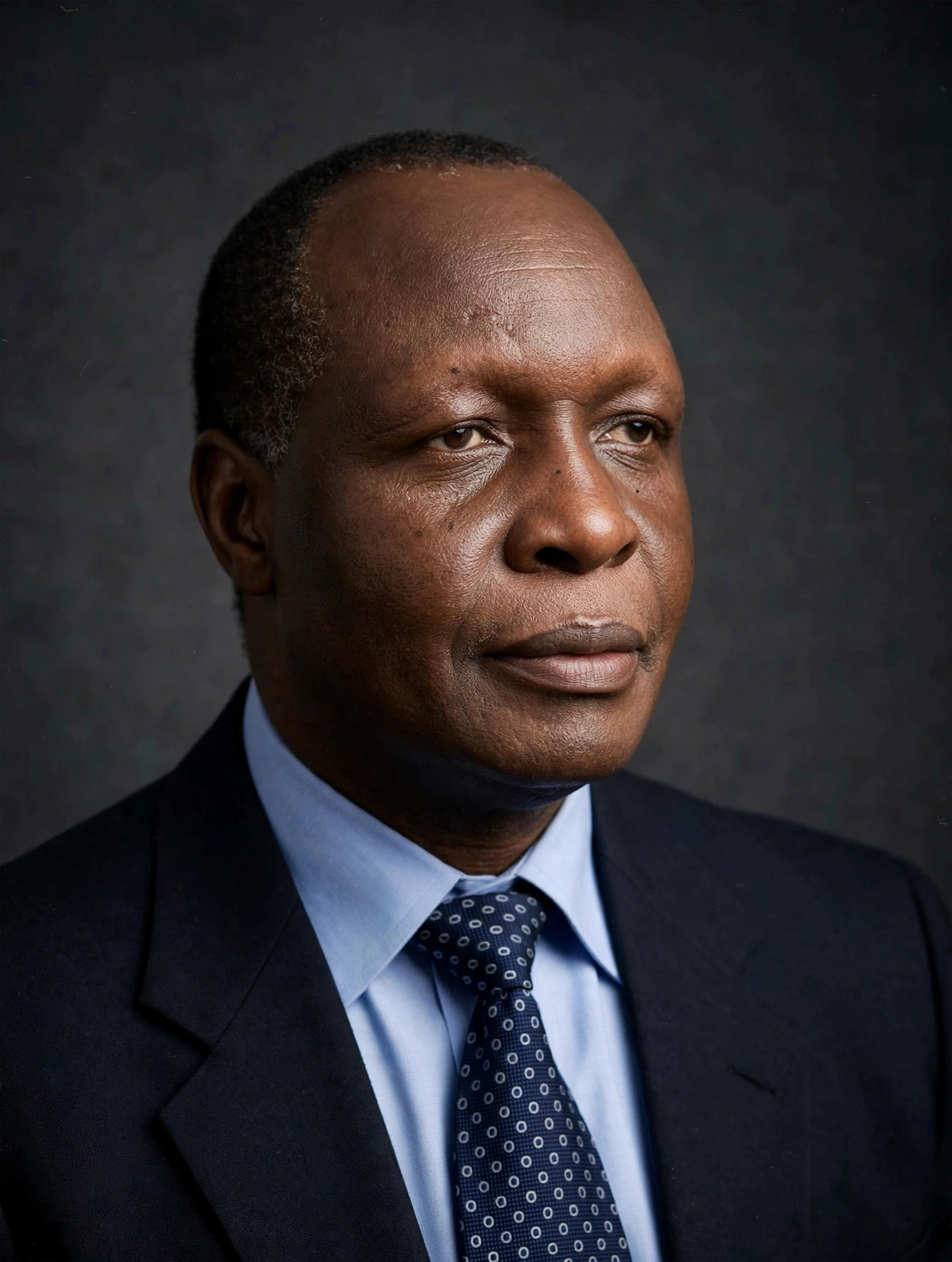
In brief
My vision is an empowered Upper Savannah where young people have access to opportunities, local businesses thrive, traders are supported, and every resident can enjoy better livelihoods through practical action, inclusive leadership, and community-driven
01Transparent Ward Bursaries
Problem
Fair bursary funding for every needy student
Our ward bursary is meant to help needy students. But too often the list is secret. Names appear that nobody knows. Deserving children are left out. Parents queue and go home empty-handed. I will fix this. Every applicant will be listed openly. The committee will be known. The rules will be public. Every shilling will be accounted for. No child in this ward should miss school because of a bursary that cannot be seen.
Promise
I will publish the full list of bursary recipients and the amounts each received at the ward office and online. I will set clear, public rules for who qualifies. A ward committee will review applications openly, and I will declare any conflict of interest. Every shilling will be accounted for in a public report each term.
Plan
I will publish the bursary rules and the full list of recipients on public notice boards and online. A ward committee of parents, teachers and religious leaders will screen applications openly. Meetings will be public. Every shilling will be recorded, and audited accounts shared with residents each term. I will push the county to release bursary funds on time. Any official who demands a bribe for a bursary will be reported and removed.
Result
If you elect me, you will see the full list of bursary recipients posted publicly at the ward office and online. You will see the rules we use to award bursaries before applications open. You will see dates for when decisions are made. You will be able to ask questions at a public meeting each term. My office will keep records open for inspection. I will not promise money the county has not allocated.
02Biashara Seed Grants
Problem
Small traders are the backbone of Upper Savanna's economy. The mama mboga at the market stall, the young person trying to start something, the boda boda rider ferrying residents every day — these are the people who keep money moving in our ward. Yet too many of them are stuck. They work hard and earn, but they have no cushion and no capital to grow. When business is slow or an emergency hits, they have nothing to fall back on. When an opportunity comes, they cannot raise the money to take it. This chapter sets out how I will use the MCA's office to put direct support into the hands of these traders, so that hard work in Upper Savanna can actually translate into a better living.
Promise
What I will do
Small businesses in Upper Savanna do not fail for lack of effort. They fail for lack of a small, timely push — capital to restock, to buy equipment, to keep the doors open through a hard month. As your MCA, I will put a seed grant programme in place for ward traders.
1. A clear, published grant scheme. I will establish a ward biashara seed grant with written rules that every trader can read and understand: who qualifies, how much is available, how to apply, and how decisions are made. No hidden criteria, no favouritism.
2. An open application and selection process. Applications will be received openly and assessed against the published rules by a committee that includes traders themselves, so that decisions are made by the business community and not by one office.
3. Published lists of every grant awarded. After each round, I will publish the names of recipients and the amounts given, so that residents can see exactly where the money went.
4. Support beyond the money. A grant alone is not enough. I will link recipients to basic business guidance — record keeping, pricing, saving — so that the seed grows into a business that lasts.
5. Built on the traders I already work with. This is not new ground for me. Through the Embakasi Business Community Association and the Savannah Small Scale Traders, I have worked alongside the people this programme is meant to serve. I will use those relationships to make sure the scheme reaches the traders who need it most, not only those who know the right people.
My commitment is simple: seed grants that are open, fair and accounted for, and that put real support into the hands of Upper Savanna's traders.
Plan
What I will do
A seed grant is only worth anything if it reaches the right trader, quickly, and without favour. Here is how I will make the Biashara Seed Grants work.
1. Clear, published criteria. I will set out in writing who qualifies for a seed grant, what the money can be used for, and how applications are judged. The rules will be public before anyone applies, so no one has to know somebody to benefit.
2. A ward committee that decides, not my office. Applications will be reviewed by a committee of small-scale traders and residents from Upper Savanna, alongside my office. I will not hand out grants personally. Decisions and the reasons for them will be published.
3. Support to apply. Many traders lose out because they cannot put together an application. I will make sure the process is simple and that help is available to anyone who needs it, so the grants reach people who have never applied for anything before.
4. Follow-up, not just handouts. Every grant will come with light follow-up, so that recipients get advice and support as they put the money to work, and so the ward can see what the grants achieved.
5. Open books. I will report publicly on how many grants were given, to whom, and what they were used for. The records will be open to residents.
Result
What voters should expect
By the end of my term, I want every small trader in Upper Savanna to know that help is available, that the process is open, and that it does not depend on who they know.
1. A published grant process. The rules for the Biashara Seed Grants will be written down and made public: who can apply, what the grants can be used for, and how decisions are made. No one should have to guess or pay to find out.
2. A fair selection. Grants will be awarded on clear, published criteria, and the list of successful applicants will be made public. I will not use this fund to reward supporters or punish anyone.
3. Support that reaches small traders. The grants will be aimed at the small-scale traders who keep this ward's markets and streets running, including those who have never had access to formal business support.
4. A record I can be held to. I will report publicly on how the fund is used, so residents can see what was promised and what was delivered.
The measure of success is simple: traders who were struggling to keep going are still in business, and they trust that the support they received was given fairly.
What people are saying
0 commentsNo comments yet. Say what you think of this promise.
03Tarmac Feeder Roads
Problem
The roads inside our estates in Upper Savanna were never finished. Most are earth tracks that turn to dust in the dry season and mud when it rains. Matatus and boda riders avoid them, traders lose customers, and residents struggle to move around their own ward. Paving these neglected estate roads with tarmac and cabro is the problem this chapter addresses.
Promise
What I will do
Roads in the ward are a county function, but as your MCA I will make sure Upper Savanna gets its fair share and that residents can see what is being done and when.
1. A published ward roads priority list. I will work with residents and the county roads department to agree which feeder roads in Upper Savanna need tarmacking first, and publish that list so everyone knows the order and the reason for it.
2. A standing ward roads committee. I will set up a committee of residents, county roads officials and my office that meets regularly and reports publicly on progress, delays and costs.
3. Follow-up on delivery. I will track each road on the list, push the county to keep to schedule, and report back to residents on what has been done and what has not.
Plan
What I will do
Roads are a county function, and as your MCA I will use every lever this office has to get feeder roads in Upper Savanna tarmacked.
1. A published roads priority list. I will work with residents and the county roads department to agree which feeder roads matter most, and publish that list so everyone knows the order and why. No road should be chosen in secret.
2. A standing ward roads committee. I will set up a committee of residents, county roads officials and my office that meets regularly and reports publicly on progress, delays and works done.
3. Push the roads budget through the county assembly. As MCA I will fight for Upper Savanna's feeder roads to be funded in the county roads budget, and I will follow that money to the ground.
4. Inspect the works and report back. I will visit road works in person and give residents a public account of what has been done and what is still pending.
5. Keep the community in the loop. I will hold regular meetings so residents can raise concerns about drainage, access and disruption during works, and see them addressed.
Result
What voters should expect
By the end of my term, I want residents of Upper Savanna to see and feel a real change in how they move. The result I am working towards is simple: feeder roads that are tarmacked, passable in all weather, and maintained, so that matatus, boda bodas, traders and schoolchildren are not held back by mud and potholes.
I will be honest about how this works. Roads are a county function, and the MCA does not build them alone. What this office can do is push, plan and follow up. So the result I am promising is not a slogan but a way of working that you can hold me to:
1. A published roads plan for the ward. Together with residents, I will identify the feeder roads that matter most and put that list in public view, so everyone knows what is planned and in what order.
2. County budget follow-through. I will push for Upper Savanna's feeder roads to be included in the county roads budget and will report back publicly on what has been allocated and what has been done.
3. Roads that are maintained, not just built. A tarmacked road that is left to break is money wasted. I will press for routine maintenance and drainage so that new roads last.
4. Open reporting. Just as with water and bursaries, I will report to residents on progress, on delays, and on what still needs to be done. You will not have to guess.
This is the same approach I have brought to community work in Upper Savanna, and it is the approach I will bring to our roads.
What people are saying
0 commentsNo comments yet. Say what you think of this promise.
04Modern Flood Drainage
Problem
Upper Savanna has concrete drainage running through its neighbourhoods, but much of it is blocked. When drains are clogged, water cannot move. It backs up and spills onto the roads, into stalls and into homes, and it sits there long after the rain has stopped. This is a problem across the whole ward, not in one corner of it. As your MCA, I will treat unblocked, working drainage as a basic service the ward should already have, and I will make sure the drains are cleared and kept clear.
Promise
What I will do
Flooding in Upper Savanna is not an act of nature we must simply endure. It is a problem of blocked channels, poor planning and drainage that was never built to carry the water this ward now produces. As your MCA, I will treat flood drainage as a priority, not an afterthought.
1. A ward drainage survey. I will start by mapping where water collects, where channels are blocked and where drainage is missing altogether. Residents know these spots better than anyone, and I will involve them in identifying the worst areas so that work begins where it is needed most.
2. Clearing and maintaining existing channels. Before new construction, I will push for the regular clearing of blocked drains and culverts, and for a maintenance schedule that keeps them clear. Many floods here are made worse by simple neglect.
3. Modern drainage in the worst-hit areas. I will advocate within the county for properly built, covered drainage in the areas that flood most, designed to handle the volume of water we actually see, not just the water we wish we had.
4. Working with the county, not around it. Drainage is a county function. I will use this office to press the county government for drainage works in Upper Savanna, to follow up on what is promised, and to report back to residents on what has been done and what has not.
5. A clean-ward culture. I will work with residents, traders and youth groups to keep channels free of waste and debris, because no drain works if we block it ourselves.
I will not promise that flooding ends overnight. I will promise that this ward finally has a clear plan, visible work and honest reporting on drainage — and that your voice is part of deciding where that work goes first.
Plan
Drainage is a county function, and as your MCA I will use every lever this office has to stop the flooding that damages homes and businesses in Upper Savanna.
1. A ward drainage survey and published plan. I will work with the county to map where water collects and floods worst in the ward, and turn that into a clear, published drainage plan. Residents should know where work will happen and in what order, not find out after the fact.
2. A standing ward drainage committee. I will set up a committee of residents, county officers and my office that meets regularly and reports publicly on blocked drains, illegal dumping and works in progress. Flooding is not solved once; it is managed all the time.
3. Push drainage into the county budget. I will use my position in the Assembly to make sure Upper Savanna's drainage needs are written into the county budget and work plan, and I will follow the money to see that it reaches the ward.
4. Work with residents before and during works. Before any drain is dug, I will sit with the residents and traders along that line so the design fits how the area actually drains and how people use the space. I will keep them informed as work goes on.
5. Keep existing drains clear. I will work with the county and residents on regular clearing of the drains we already have, so that what is built is not lost to neglect.
Result
When this work is done, residents of Upper Savanna should expect a ward where heavy rain no longer means flooded homes, blocked roads and lost business. That is the result I am working toward.
I will not claim this will happen overnight. Drainage is a county function, and the work must be planned, funded and built properly. But I will make sure it is visible and on the record, so that every resident can see whether we are moving forward or standing still.
What you should hold me to:
1. A published drainage plan for the ward. You will be able to see which areas are prioritised, what work is planned, and when.
2. Regular public reporting. My office will report openly on progress, and on any delays, so that no one has to guess what is happening.
3. A ward you can hold me to account on. If the work stalls, you will know why, and you will know who to ask.
What people are saying
0 commentsNo comments yet. Say what you think of this promise.
05Clean Piped Water
Problem
Upper Savanna does not have reliable, clean piped water. Residents cannot tell when water will come, supply is irregular, and leaks go unreported and unrepaired. Families are left to guess, store water however they can, and pay for alternatives. This is the problem I intend to address as your MCA.
Promise
What I will do
Water is a county function, and as your MCA I will use every lever this office has to make clean piped water reliable in Upper Savanna.
1. Ward water audit and published supply schedule. I will work with the county water company to establish a clear, published schedule of when water is supplied to each part of the ward, and I will hold them to it. Residents deserve to know when to expect water, not to guess.
2. A standing ward water committee. I will set up a committee of residents, water company representatives and my office that meets regularly and reports publicly on supply, leaks and complaints. When water fails, residents will have a named place to take the problem and a record of what was done about it.
3. Push for piped water to reach every part of the ward. I will use my position in the Assembly to press the county and the water company to extend clean piped water to the parts of Upper Savanna still relying on vendors, wells and unsafe sources, and to report back to residents on progress.
4. Protect what we already have. I will follow up on leaks and broken lines so that water we already pay for is not lost before it reaches homes and businesses.
Clean piped water is not a favour. It is a basic service, and I will treat it as one.
Result
What you should expect
By the end of my term, you should be able to look at a published schedule and know when water will reach your area, and hold the water company to it. You should see a ward water committee that meets in the open, reports publicly on supply, leaks and complaints, and answers to residents, not to me alone.
You should expect leaks reported and followed up, not left running for weeks. You should expect your complaints to be recorded and tracked, so that when you ask what happened, there is an answer.
Above all, you should expect to spend less of your day chasing water. That is the result I am working for: reliable, clean piped water in Upper Savanna, and a system you can see and question at every step.
What people are saying
0 commentsNo comments yet. Say what you think of this promise.
06Fully Stocked Clinics
Problem
When a resident of Upper Savanna visits a clinic or dispensary, the medicine they need should be there. Too often it is not. A mother arrives with a sick child and is told the drug is out of stock. A patient is sent to a private chemist to buy what should be free. Others give up or travel to another facility and pay again for transport. A clinic without medicine is not a clinic. In Upper Savanna, I will work to end dispensary shortages so that every resident gets the medicine they need, when they need it, at the public facility closest to them.
Promise
What I will do
A clinic without medicine and supplies is just a building. As your MCA, I will use this office to make sure the clinics in Upper Savanna are stocked and ready to serve residents.
1. A published stock check for every clinic. I will work with the county health department to establish a regular, public report on the medicines and supplies available at each clinic in the ward. Residents deserve to know what is available before they travel.
2. A standing ward health committee. I will set up a committee of residents, clinic staff and my office that meets regularly and reports publicly on stock levels, staff attendance and gaps in service.
3. Escalation when clinics run short. When a clinic is out of essential medicines or supplies, I will take the matter directly to the county health department and follow it up until it is resolved, and I will report back to residents on what was done.
4. Working with clinic staff. I will meet regularly with the staff at our clinics to hear what they need and to make sure their concerns reach the county, not get lost.
5. Public accountability. I will report to residents on the state of our clinics, so that everyone can see what has improved and what still needs work.
Plan
What I will do
Clinics are a county function, but as your MCA I will keep pressure on and make sure residents can see what is happening.
1. A published clinic check. I will work with the county health department on a regular public report of medicines, supplies and staff attendance at each clinic in the ward.
2. A standing ward health committee. Residents, clinic staff and my office will meet regularly and report openly on stock, staffing and concerns raised.
3. A direct line to the county. Where a clinic lacks medicine or staff, I will take it up formally with the county health department, follow it until it is resolved, and report back to residents.
4. Backing existing clinic committees. I will strengthen the facility committees already in place so community views reach the people who manage health services.
This is how I will turn fully stocked clinics into something residents can see, question and hold me to.
Result
If you send me to the Assembly, here is what you should be able to see and check for yourself.
1. Clinics that are open and stocked. I will push for the clinics in Upper Savanna to have the medicines, supplies and staff they need, so that a mother is not turned away or sent to buy basics elsewhere.
2. A public report on clinic supplies. I will make sure residents can see openly what each clinic has and what it lacks.
3. A ward voice on health. I will use the networks I have built through the Upper Savannah Youth, the Embakasi Business Community Association and the Savannah Small Scale Traders to bring residents and clinic management together, so that patients' problems are heard and followed up.
4. Follow-through, not talk. I will report back on what has been fixed and what is still pending, and I will not claim a clinic is stocked when it is not.
This is a promise of work and accountability. I will not promise what this office cannot deliver, but I will fight for every lever it has to make our clinics ready to serve you.
What people are saying
0 commentsNo comments yet. Say what you think of this promise.
0724/7 Maternal Care
Problem
For a mother in Upper Savanna, going into labour at night is a gamble. Our clinics are not equipped to handle safe deliveries around the clock, and when something goes wrong there is no reliable way to move her quickly to a hospital that can help. The same gap affects anyone facing a medical emergency: the time it takes to reach care can be the difference between life and death. I am addressing this because no resident of this ward should lose a mother or a child simply because care was far away, closed, or out of reach when it was needed most.
Promise
What I will do
No mother in Upper Savanna should be turned away at night when her time comes. As your MCA I will push for maternal care that is available around the clock, and I will report to residents on what is working and what is not.
1. A published maternity roster. I will work with the county health department to publish a clear roster showing which facility in or near the ward has a skilled birth attendant on duty at night, on weekends and on public holidays. A mother and her family should know where to go at 2 a.m., not have to guess.
2. A standing ward health committee. I will set up a committee of residents, facility representatives and my office that meets regularly and reports publicly on maternal services — staffing gaps, supplies and referrals. Where a mother is turned away or referred too late, the committee will follow it up and the findings will be made public.
3. Follow-up on referrals and transport. With the committee, I will identify the gaps that stop mothers reaching care in time and press the county to address them, so that a referral from our ward does not become a dead end.
4. A direct line to my office. I will make sure residents know how to reach my office when a mother is denied care, so that cases are recorded, followed up and not forgotten.
Maternal care is a county function, and I will be honest with you about what this office can and cannot deliver. What I can promise is pressure, follow-up and public reporting — every term, not just at election time.
Plan
Maternal care is run by the county, not by the MCA's office. But this office can push, monitor and demand answers. Here is how I will make 24/7 maternal care real in Upper Savanna.
1. A published care standard. I will press the county health department to set and publish a clear ward standard: any mother in labour is attended to at any hour, with a named person on duty at all times. Every resident will know what to expect and who to call.
2. A standing ward health committee. I will bring residents, community health volunteers, clinic staff and my office together in a committee that meets regularly and reports to the public on staffing, supplies and maternal cases.
3. Follow-up on every referral. I will work with the county so that a mother referred from our ward is received and treated, and so that every referral is tracked, not lost.
4. Regular spot checks. My office will make unannounced visits to confirm maternal services are available at night and at weekends, and I will report what I find to residents.
5. Community awareness. I will work with community health volunteers so that every expectant mother and her family knows where to go, at what hour, and what is free.
6. Budget oversight. Through the county assembly, I will follow the health budget to see that money meant for maternal care in our ward is released and used, and I will say so publicly when it is not.
Result
What you should expect
A mother in Upper Savanna should not have to travel out of the ward at night to give birth. That is the result I am working towards.
When this is done, you should expect:
1. A clinic that is open when you need it. Our clinics will be open day and night, with staff on duty for maternal care, not closed doors after dark.
2. Skilled hands at the delivery. A mother in labour will be attended by a trained health worker, with the equipment and supplies needed for a safe delivery.
3. Care close to home. Mothers will not have to raise transport money in the middle of the night or travel to another ward to deliver.
4. A clinic that is accountable to you. I will report publicly on staffing, supplies and maternal services at our clinics, so you can see what is working and hold my office to it.
The measure of this chapter is simple: fewer mothers travelling at night, and more babies born safely in Upper Savanna.
What people are saying
0 commentsNo comments yet. Say what you think of this promise.
08Mulika Mwizi Lighting
Problem
Too many streets and corners in Upper Savanna go dark at night. After sunset, large parts of the ward have no lighting, and residents walking home, traders closing their shops late, and young people out in the evening move around in the dark. That darkness makes people feel unsafe in their own neighbourhood, and it holds back the evening trade our businesses depend on.
Promise
What I will do
Lighting is a safety issue, and as your MCA I will treat it as one. Darkness makes it easier for criminals and harder for residents, traders and women walking home at night. I will push for working lighting across Upper Savanna and make sure it stays working.
1. A lighting survey of the ward. I will work with residents to identify the darkest and most crime-exposed streets, footpaths and trading areas, and publish that list so everyone can see where the need is greatest.
2. Lighting where it matters most. I will prioritise the spots residents identify as most dangerous, so the first lights protect the most people.
3. Keeping the lights on. A broken light is no protection. I will push for a clear maintenance arrangement so faulty lights are reported and repaired, and I will report publicly on what has been fixed.
4. Working with the county and security agencies. Lighting is a county function. I will use this office to press the county and work with our security agencies so lighting and safety planning go together.
Residents should not have to walk home in the dark. I will make sure Upper Savanna is lit, and that the lights stay on.
Plan
How I will make it happen
Lighting is a county function. As your MCA I will use every lever this office has to get lights into Upper Savanna.
1. A ward lighting audit. With the county lighting department, I will map the dark spots residents name — footpaths, markets, stages and junctions — and publish the list, so everyone can see what is being fixed and in what order.
2. A phased plan, starting where it matters most. Lighting will be delivered in phases, beginning with the spots residents rank as most dangerous. Each phase will be published before it starts, so no area is left guessing.
3. A standing lighting committee. Residents, county lighting officers and my office will meet regularly and report publicly on what is installed, what works and what is still dark.
4. Maintenance, not just installation. A broken light is as good as no light. I will press for a clear repair arrangement and keep a public record of faults reported and faults fixed.
5. Residents on the ground. I will bring together residents, traders and youth groups to identify priority spots, protect the installations and report faults early, so the lighting we get keeps working.
Result
What you should expect
When Mulika Mwizi lighting is in place, you should be able to move through Upper Savanna after dark with less fear. The result I am working towards is simple: lit streets, lit trading areas and lit footpaths where women, traders and young people can walk and work in the evening without feeling unsafe.
1. Lights that work. Installed lights will be checked regularly. Broken or vandalised lights will be reported and fixed, not left dark for months.
2. Lighting where it matters most. Priority will go to the places residents identify as most dangerous at night: busy footpaths, market areas, bus stops and school routes.
3. A safer trading environment. Traders in our markets and along our streets should be able to stay open later and serve customers in the evening with confidence.
4. A community that watches its own. Mulika Mwizi lighting works best when residents, the police and my office share information. I will make sure there is a clear way for residents to report dark spots and security concerns, and that those reports are acted on.
5. Accountability you can see. I will report publicly on where lighting has been installed and what is still pending, so residents can hold this office to its word.
This is a commitment I am making to you. I will not claim progress that has not happened, and I will not promise lighting I cannot deliver. What I can promise is that this office will treat your safety at night as a priority, and will be open with you about what has been done and what remains.
What people are saying
0 commentsNo comments yet. Say what you think of this promise.
09Youth Digital Hub
Problem
Upper Savanna is full of young people with energy, ideas and the will to work. What many lack is a place to turn that energy into income.
Too many of our youth finish school and find themselves idle. Not because they are lazy, but because they cannot get the tools of the modern economy: a reliable computer, affordable internet, and someone to teach them how to use both.
Digital work is now a real source of income in Nairobi. Young people in other parts of the city earn from online jobs, freelance work, graphic design, and small businesses run from a phone or laptop. In Upper Savanna, most youth are locked out. They cannot afford a laptop. They cannot afford steady internet. And there is no public place in the ward where they can learn these skills or put them to work.
This gap costs us twice. Our young people lose income they could be earning, and the ward loses the businesses and ideas they would have built. A young person with a skill and an internet connection can earn a living without waiting for a formal job. Right now, most of our youth have neither the skill nor the connection.
The problem is simple: our youth have the ambition but not the access. There is no enough shared space in Upper Savanna where a young person can learn digital skills, use a computer, get online, and be guided toward real work. That is the gap this office will close.
Promise
What I will do
A Youth Digital Hub in Upper Savanna will give young people a place to learn digital skills, earn online and grow small businesses. As your MCA, I will use this office to make it happen.
1. Open the hub. I will work with the county government and Upper Savanna residents to secure a space and get the hub open to young people in the ward.
2. Train young people in digital skills. I will organise training in the skills needed for work and business, and make sure it reaches youth across the ward, not just a few.
3. Build on the networks already here. I have worked with Upper Savannah Youth, the Embakasi Youth Project and the Youth Carwash Initiative. I will connect the hub to that network so young people who already organise themselves here get first access.
4. Turn skills into income. I will use the hub to help young people find online work and grow small businesses with digital tools, so it leads to earnings, not just certificates.
5. Report openly. I will report the hub's activities and costs openly to residents, so the community can see what it is doing and hold it to account.
Plan
How I will make it happen
1. A ward digital hub committee. I will bring together young people from Upper Savanna, the youth groups I already work with, and my office to run the hub. The committee will set the training timetable and report publicly on who uses the hub and what they learn.
2. A published timetable. The hub will run on a fixed schedule of computer and internet training sessions, open to all young people in the ward. No one should have to guess when the doors are open or who gets a place.
3. Working with the county on space and equipment. I will press the county to provide a space and the computers, and I will follow up until it is done. As your MCA I will use every lever this office has to make it happen.
4. Building on what already works. I have worked with Upper Savannah Youth, Embakasi Youth and the youth carwash initiative. The hub will be run the same way: by young people, for young people, with the community watching how it is managed.
5. Open books. The committee will report publicly on what the hub receives and what it spends, so residents can see it is run honestly.
Result
What voters should expect
When the Youth Digital Hub is running, young people in Upper Savanna should be able to point to something real. Hold me to these results:
1. A place to go. A working digital hub in the ward, with internet and computers, where young people can learn digital skills without travelling out of the ward or paying high rates elsewhere.
2. Skills that lead to income. Those who complete the training leave with skills they can use to earn — through online work, running their biashara better, or finding a job. The measure is not how many attend, but how many can show what the training helped them do.
3. A step into business. The hub connects to the Biashara Seed Grants, so young people who finish training can take the next step into their own small business.
4. Open reporting. I will report publicly on how the hub is used, what it costs and what it has delivered, so residents can see it is working for them and not for a few.
I am not promising this hub will solve youth unemployment on its own. I am promising a real, working resource in this ward, run openly and judged by what young people are able to do because of it.
What people are saying
0 commentsNo comments yet. Say what you think of this promise.
10Open Ward Barazas
Problem
Right now, the people of Upper Savanna have no regular forum to question what is done in their name. Projects start and finish without residents getting a chance to ask what was budgeted, what was spent, or whether the work was actually completed. Information, when it comes at all, moves one way — from the office to the people — and rarely back. That leaves room for doubt, rumour, and the feeling that decisions are made far from the people who live with the results. The problem is not that residents do not care. It is that there is no set time and place where they can sit down, ask hard questions, and see the facts for themselves.
Promise
A baraza is only useful if it happens, if people know about it in advance, and if what is said there is written down and acted on. Too often, public meetings are called only when there is a problem, or only when it suits the leader. As your MCA, I will make open ward barazas a fixed part of how this ward is run.
1. A regular baraza in every part of the ward. I will hold open barazas on a fixed schedule, not only in one central place. Each part of Upper Savanna will have its turn, so that residents do not have to travel far or rely on word of mouth to be heard.
2. Notice in good time. The date, place and main agenda of each baraza will be announced in advance through the channels residents already use, so that people can plan to attend and come prepared with their issues.
3. A written record of what is agreed. Every baraza will produce a simple public record of the issues raised, what I committed to do, and by when. That record will be shared openly so that residents can hold me to it.
4. A report back at the next baraza. Each meeting will begin by reporting on what was promised at the last one — what was done, what was not, and why. Accountability means coming back to answer, not only to ask for votes.
5. Barazas that reach everyone. I will make sure the meetings are open to all residents — youth, women, traders, boda riders and elders — and that the voices of those who are usually left out are heard, not only the loudest in the room.
Plan
I will hold open ward barazas on a regular basis, in the estates of Upper Savanna, so that residents do not have to travel or wait for a crisis to speak to their MCA.
At each baraza I will give a plain account of what the ward has done since the last meeting: what was promised, what was delivered, what is still pending and why. Residents will then raise their own issues directly, in their own words, and those issues will be recorded and carried forward to the next meeting.
I will not come to these meetings only when there is something to announce. I will come to listen, to be questioned and to be held to account. Where I cannot deliver something, I will say so openly rather than avoid the question.
The barazas will be open to everyone in the ward, and the record of what was raised and what was answered will be available to residents, so that no commitment made at a baraza is quietly forgotten.
Result
What voters should expect
When I hold open ward barazas, I want residents to see a clear result: a leadership that listens and answers. From these barazas, voters should expect the following.
1. A regular chance to be heard. I will hold open ward barazas where any resident of Upper Savanna can come and raise an issue directly with me, face to face, without needing an appointment or a connection.
2. Answers, not just speeches. Every issue raised at a baraza will be recorded, and I will come back to residents with a response on what can be done, what cannot, and why.
3. A public account of what I promised. At these barazas I will report back on the commitments I have made in this manifesto, so that residents can see what has moved forward and hold me to account where it has not.
4. Decisions that reflect what residents say. The priorities residents raise at the barazas will shape how I use the ward's resources and how I represent Upper Savanna at the county level.
The measure of these barazas is simple: that residents of Upper Savanna feel their voice reaches their MCA, and that they can see the results of that voice in the ward.
What people are saying
0 commentsNo comments yet. Say what you think of this promise.
What people are saying
0 commentsNo comments yet. Say what you think of this promise.